 un progetto di




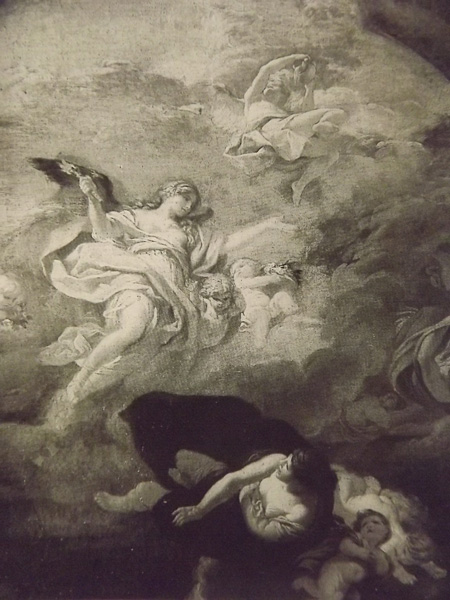
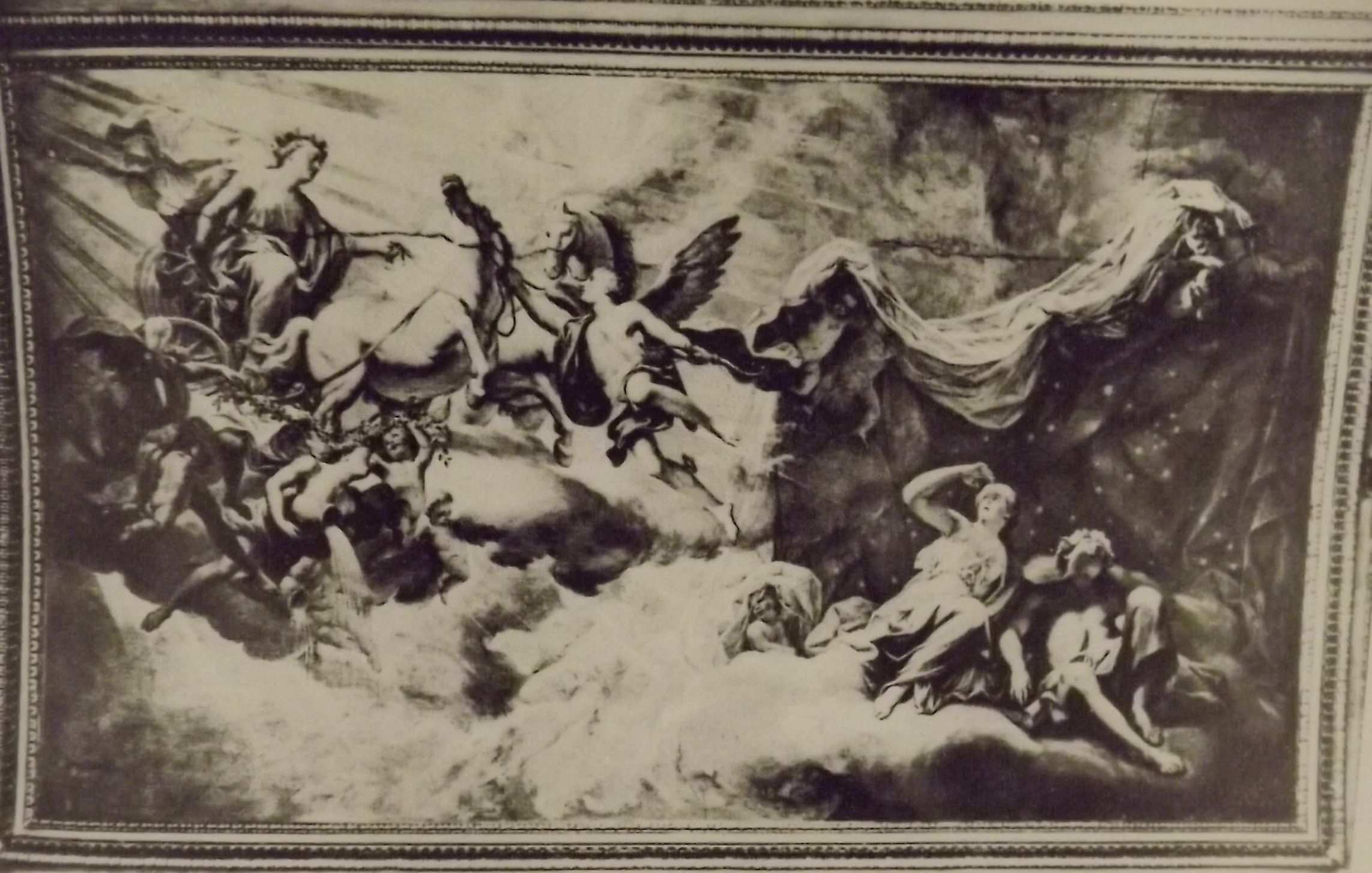
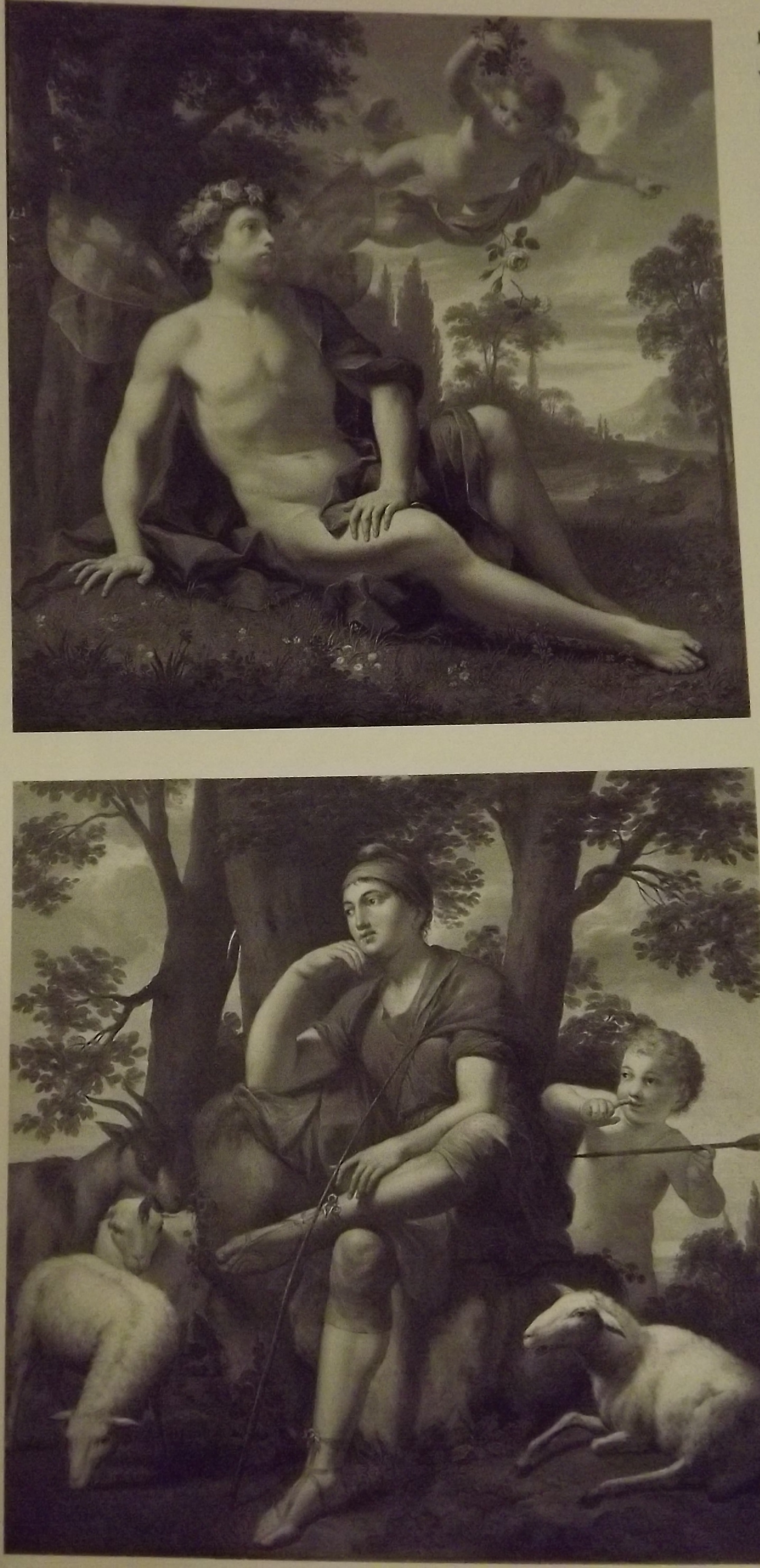
L’attuale stanza dell’Aurora prende il nome dalla decorazione che era stata pensata da Parini per la Stanza da Letto di Inverno. Ad essa si accedeva dalla camera d'udienza di Sua altezza reale (sarà adibita a sala di conversazione nell'ottocento). Nell’inventario del 1788 era così descritta: “aveva le pareti rivestite di lampasso fondo cerasa con fiori bianchi e verdi e il suo mobilio comprendeva dodici seggiole bianche e oro, due grandi specchiere con fusto di noce e cornici intagliate, ornati bianchi e d'oro sopra riquadratura con intagli a grotteschi e festoni bianchi e d'oro e fondi a diverse tinte, due tavoli a muro con piedi squadrati tinti bianco e oro e con piano di marmo di Carrara, due letti all'Inglese e quei due comod a tre cassettoni impellicciati d'Ebano rosato e violato con manette d'ottone dorato, i piedi guarniti d'ottone come sopra, serrature e chiavi, sopratavola di bardiglio di Carrara.” Nella Stanza da letto per l’Inverno era rappresentata L’Aurora che viene impedita del suo corso dall’Amore. La decorazione era stata affidata a Martin Knoller su indicazioni di Parini. Il senso del soggetto principale doveva essere molto chiaro nella cerchia dei potenziali osservatori: si mette in risalto lo scontro tra gli elementi della notte e quelli del giorno e il risultato è la corsa furiosa di Aurora che annuncia la vittoria della luce sulle potenze delle tenebre. Questa è quindi una metafora dell’ideologia illuminista che guidava i programmi di governo e lo stile di vita della monarchia asburgica. Parini suggerì a Knoller anche i soggetti delle sovrapporte, tre coppie: Zefiro e Flora, Cefalo e Procri, Paride ed Enone.
The current Aurora room is named after the decoration was thought to be Parini for Bathroom Winter bed. It was entered by the Hearing Room of Her Royal Highness (will be used as a conversation room in the nineteenth century). In the inventory of 1788 he was thus described: "had the walls covered with lampas cerasa background with white flowers and green and furnishings included twelve white and gold chairs, two large mirrors with walnut trunk and carved frames, white and adorned d ' gold over squaring with grotesque carvings and white garlands and gold and funds to different colors, two tables fitted with whitewashed square feet and gold and with Carrara marble floor, two beds english and those two to three comod coffered furry Ebon rosé and violated with golden brass cuffs, brass trimmed feet as above, locks and keys, sopratavola bardiglio of Carrara. "in the bedroom for Winter was represented Aurora that is impeded in its course by Love. The decoration was entrusted to Martin Knoller of indications of Parini. The direction of the main subject had to be very clear in the circle of potential observers: it highlights the clash between the elements of the night and the day and the result is a furious race of Aurora announcing the victory of light over the powers of darkness. This is thus a metaphor Enlightenment ideology that guided government programs and the lifestyle of the Habsburg monarchy. Parini even suggested that Knoller subjects of lintels, three pairs: Zephyr and Flora, Cephalus and Procris, Paris and Oenone.